Choosing the best China Slotted Angle Racking System requires more than comparing prices. A warehouse may look organized, yet still waste vertical space, restrict picking, or create unstable loads. The right system must match product weight, carton size, aisle width, floor condition, and future expansion plans.
Dr. Edward Frazelle, a recognized warehouse logistics expert, states, “The best storage system supports the operation, rather than merely filling the building.” This principle is useful when evaluating Chinese manufacturers. A reliable Slotted Angle Racking System should offer accurately punched angles, strong steel shelves, consistent hole spacing, and practical adjustment. Inspectors should also review load ratings, surface treatment, packaging quality, and installation instructions. Small details matter. A poorly finished slot can complicate assembly. An underestimated shelf load can create serious operational risks.
This article will examine the features that separate a dependable system from an attractive but unsuitable option. It will compare material quality, modular design, accessibility, customization, supplier experience, and after-sales support. Factory photographs are helpful, but they are not enough. Request test data, production samples, and clear technical drawings. Confirm whether stated capacities reflect evenly distributed loads. That point is often overlooked.
There is no universal “best” rack. A lightweight archive room needs a different solution from a busy parts warehouse. Even experienced buyers can misjudge aisle clearance or future inventory growth. This guide therefore takes a practical view, including common weaknesses and decisions that may require reconsideration. The goal is not to promote one supplier, but to identify a safe, adaptable, and cost-effective Slotted Angle Racking System for real working conditions.
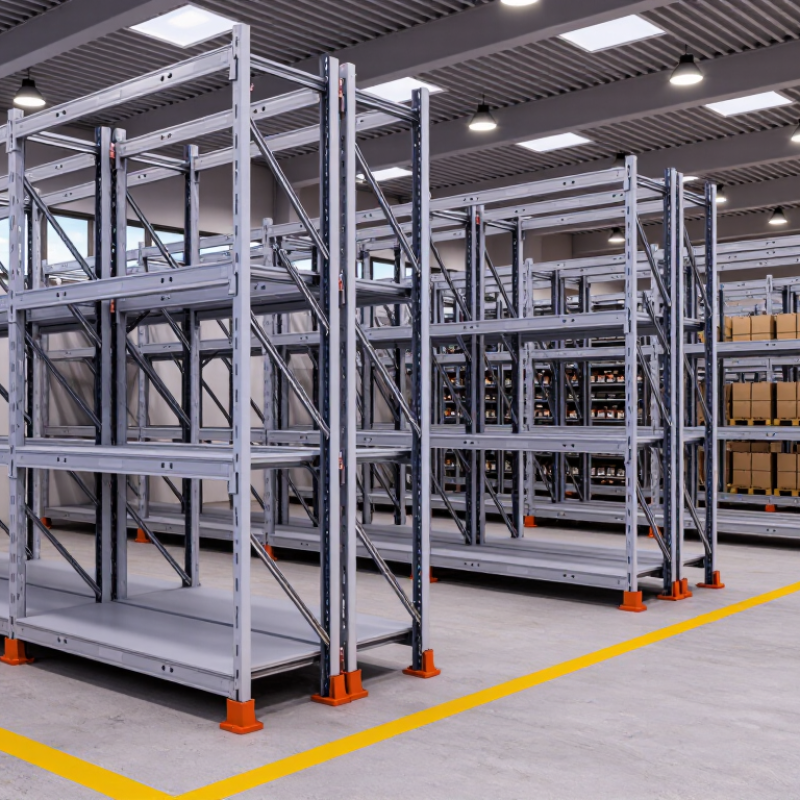
A China slotted angle racking system is defined by its construction, adjustability, and documented load performance. It normally uses perforated steel angles, horizontal beams, bolts, nuts, and diagonal braces. The slots allow shelf heights to change without welding. This suits cartons, tools, spare parts, and light industrial inventory.
The best system is not simply the cheapest one. Steel thickness, hole spacing, beam connection, surface treatment, and floor stability matter more. Grand View Research estimates that the global warehouse racking market reached about 9.7 billion US dollars in 2023. Its projected growth shows stronger demand for flexible storage. Yet, market growth does not prove every imported rack is reliable.
Tips: Ask for a load chart, steel specifications, assembly instructions, and inspection records. Confirm whether the stated capacity applies to each shelf or the entire bay. Check the coating for scratches, uneven edges, and early rust. In practical warehouse use, small design details become visible quickly. A narrow brace may save material, but it can reduce stability. I have seen attractive racks fail basic layout checks. That is a useful warning. Also compare dimensions in millimetres, not photographs. Independent testing against applicable local standards adds confidence, although paperwork alone cannot replace correct installation.
A slotted angle racking system begins with the load, not the shelf. Designers measure carton weight, pallet dimensions, aisle width, and available ceiling height. They also check how often workers access each level. These details determine upright spacing, shelf depth, and the required number of braces.
The frame usually uses perforated steel angles, bolts, nuts, and adjustable shelves. Every slot supports configuration changes. A warehouse may need four levels today and five next year. That flexibility is useful.
However, loose planning can create uneven loading and unstable frames. The base should stand on a level floor, with heavier goods placed on lower shelves. Anchor points may be needed in busy or tall installations.
Good configuration leaves practical clearance around each item. Workers need enough hand space, not merely enough storage volume. Designers should also consider lighting, sprinkler access, trolley movement, and safe working height. In China, fabrication quality can vary between suppliers, so buyers should request load tables, steel specifications, surface treatment details, and assembly instructions. Sample inspection matters.
One detail is easy to miss. Adjustable does not mean unlimited. Excessive spans can cause shelf deflection, even when the frame looks strong. A small pilot bay can reveal problems before full installation. That step may feel slow, but it often prevents expensive changes later.
A reliable slotted angle rack starts with steel quality, not appearance. Cold-rolled steel offers clean dimensions and consistent holes. Q235 steel suits many light and medium-duty storage areas. Q355 steel may be better for heavier loads, but only when the design supports it. Ask for material certificates and coating details. Powder coating resists indoor wear, while galvanizing performs better in humid spaces.
Load ratings need careful reading. A stated shelf capacity usually assumes an evenly distributed load. It may not cover point loads, impact, or repeated movement. Check the upright capacity, beam capacity, shelf capacity, and total bay capacity separately. The weakest part controls the system. A 500-kilogram shelf is not automatically a 500-kilogram bay.
In practical inspections, I measure upright thickness, hole alignment, bolt fit, and shelf deflection. Small gaps can become serious after repeated loading. The rack should stand level on a sound floor. Anchoring may be necessary in busy or earthquake-prone areas. Supplier drawings should show dimensions, load assumptions, and testing methods. One mistake I have made was trusting a catalog number without checking its test conditions. That decision required a redesign. Real storage often differs from laboratory loading. Leave a sensible margin, and review the design when inventory changes.
Comparing Chinese racking manufacturers requires more than checking the lowest quotation. A reliable supplier should provide clear drawings, steel specifications, load ratings, and production photos. Ask how the angles are punched, coated, packed, and inspected. Small holes should align cleanly, and shelves should sit firmly without forcing them into place.
I once focused too heavily on price and ignored delivery details. That created extra work during installation. A better comparison includes material thickness, surface treatment, connector strength, replacement parts, and technical support.
Request a sample before placing a large order. Check whether the finished rack matches the approved drawing. Independent load testing can also reveal weaknesses that photographs hide.
Choosing the best China slotted angle racking system starts with the load, not the price. Record each shelf’s intended weight, carton size, aisle width, and ceiling height. Select uprights with verified steel thickness and published load ratings. Ask for test reports, installation drawings, and material specifications. Do not guess.
A practical system should adjust easily without welding. Check that each connection uses properly formed bolts, nuts, and locking plates. Inspect every component for bent angles, sharp edges, and uneven perforations. I have seen low-cost racks fail because the shelf spacing ignored forklift clearance. Measure twice. Confirm floor capacity and local safety requirements before delivery.
During installation, use a level, torque-controlled tools, and suitable floor anchors. Keep every upright vertical. Uneven floors may require approved shims, not loose packing materials. Mark the maximum load on visible labels. After loading, keep heavier cartons on lower shelves and prevent overhangs. Review the first assembled bay before repeating the layout.
Maintenance should include monthly checks for loose fasteners, corrosion, damaged braces, and deflected shelves. Replace compromised parts instead of straightening them by force. Keep aisles clear and inspect racks after relocation or impact. Photographs and inspection records improve traceability. One detail is easy to overlook: dust can hide early rust around bolt holes, so clean those areas during routine checks.
Practical specification guide for selecting, installing, and maintaining slotted angle shelving. The figures below represent commonly used ranges for light- and medium-duty applications; the final load rating must be confirmed by a qualified supplier for the exact configuration.
| Evaluation Dimension | Typical Specification or Data | Recommended Selection | Installation Considerations | Maintenance and Safety Requirements |
|---|---|---|---|---|
| Typical Application | Manual storage of cartons, tools, spare parts, documents, packaged goods, and small components. | Select slotted angle racking for flexible, adjustable, and economical storage rather than high-speed pallet handling. | Plan clear access aisles and keep frequently used items between waist and shoulder height. | Do not use the system for loads or handling methods beyond its rated application. |
| Shelf Width | 600–1,200 mm is a common range; 900 mm is frequently used for general storage. | Choose the narrowest width that provides the required storage capacity and convenient access. | Longer shelves require stronger beams, additional support, or a lower working load per shelf. | Check for beam deflection, loose connections, and damaged shelf panels during inspections. |
| Shelf Depth | 300–600 mm is common; deeper shelves are suitable for larger cartons but need careful access planning. | Use a shelf depth that is slightly greater than the stored product depth without creating excessive overhang. | Keep the load centered from front to back and avoid placing heavy items at the extreme front edge. | Remove products that protrude into walkways or obstruct visibility. |
| Overall Height | 1,500–3,000 mm is common for manually accessed units. | For hand loading, select a height that permits safe access without unstable ladders or excessive reaching. | Tall, narrow units should be anchored or connected to adjacent frames where appropriate. | Inspect anchors, frame plumbness, and signs of sway after relocation or impact. |
| Angle Profile | Typical equal-leg angle sizes are approximately 30 × 30 mm to 50 × 50 mm. | Use a larger profile for higher shelf loads, longer spans, or taller structures. | All uprights, beams, braces, and fasteners should be compatible with the selected profile and hole pattern. | Replace bent, twisted, cracked, or heavily corroded members instead of straightening them for reuse. |
| Steel Thickness | Common material thickness is approximately 1.5–3.0 mm, depending on the design load. | Do not select thickness by appearance alone; compare verified load data for the complete assembled unit. | Use the specified bolts, nuts, washers, and bracing components for the chosen thickness. | Check bolt tightness periodically, especially after the first weeks of use and after moving the rack. |
| Typical Shelf Load | Light- and medium-duty systems commonly fall within approximately 100–500 kg per shelf when evenly distributed. | Choose a rated capacity at least 20–25% above the maximum planned evenly distributed load where practical. | Load ratings must consider span, shelf depth, steel thickness, bracing, number of levels, and floor condition. | Display the permitted load on the rack and never exceed the stated rating or concentrate heavy loads in one point. |
| Load Distribution | Rated capacity normally assumes an evenly distributed load across the usable shelf area. | Use shelves, decking, or support bars that distribute cartons and containers rather than allowing point loading. | Place heavier goods on lower levels and keep the center of gravity within the rack footprint. | Redistribute loads if shelves sag, connections loosen, or the unit becomes visibly unstable. |
| Number of Levels | Most manual systems use approximately 3–7 adjustable levels, depending on total height and product size. | Set shelf spacing according to product height plus practical handling clearance; avoid unused vertical gaps. | Install levels symmetrically and ensure all connecting points are fully engaged before loading. | Do not add extra levels without checking the frame capacity, stability, and total load. |
| Adjustability | Perforated or slotted members commonly allow shelf positions to be changed in small increments, often around 25–50 mm. | Choose a hole pattern that matches the required product mix and future reconfiguration needs. | Use the same adjustment height on both sides of each shelf to prevent uneven loading. | Inspect unused slots and connection points for deformation or burrs before reconfiguration. |
| Surface Finish | Common finishes include powder coating, painted steel, or zinc-coated steel. | Use powder coating for clean indoor environments and zinc-coated or galvanized surfaces for more humid areas. | Protect finished surfaces from impact during transport and assembly to reduce exposed steel. | Clean with a dry or damp cloth; repair scratches promptly where bare steel is exposed. |
| Corrosion Environment | Standard painted or powder-coated steel is generally intended for dry indoor storage. | For high humidity, condensation, or mildly corrosive environments, request a corrosion-resistant finish and suitable fasteners. | Keep the rack away from standing water, leaking pipes, and direct chemical contact. | Inspect corners, floor-level areas, bolt holes, and cut edges for rust at least every 3–6 months. |
| Floor Requirements | A firm, level, load-bearing floor is required; uneven floors can reduce frame stability and load capacity. | Confirm the concrete condition, floor flatness, and allowable floor loading before installation. | Use approved leveling methods where necessary and avoid improvised packing materials. | Recheck plumbness after loading and after any building movement, impact, or relocation. |
| Anchoring and Bracing | Anchoring is particularly important for tall, narrow, freestanding, or seismic-risk installations. | Use rear cross-bracing, side bracing, wall ties, or floor anchors according to the design and site conditions. | Anchor only to suitable structural surfaces with fasteners selected for the floor or wall material. | Inspect anchors and braces for looseness, corrosion, and impact damage during routine checks. |
| Assembly Tools | Typical tools include a tape measure, level, wrench or socket set, rubber mallet, and suitable drill for anchors. | Use the correct fastener size and tightening method specified for the system. | Measure diagonals and check the frame is square before fully tightening all connections. | Do not substitute missing bolts with unrelated hardware or operate the rack with incomplete connections. |
| Installation Sequence | Recommended sequence: verify components, assemble frames, install braces, fit shelves, level the unit, anchor if required, then load. | Follow an assembly drawing for the exact rack configuration rather than modifying the frame during installation. | Assemble on a clear, level surface and use two people for tall or long components. | Perform a final inspection before use and record the installation date and rated capacity. |
| Daily Operating Check | Check visible stability, shelf position, load distribution, protruding goods, and aisle clearance. | Train users to report impacts, bent members, missing fasteners, and overloaded shelves immediately. | Keep aisles, emergency exits, sprinklers, electrical panels, and fire equipment unobstructed. | Remove damaged sections from service until inspected and repaired or replaced. |
| Periodic Inspection | A detailed inspection is commonly performed monthly or quarterly, with more frequent checks in busy areas. | Set the inspection frequency according to traffic, impact risk, humidity, and load intensity. | Use a checklist covering frames, beams, shelves, braces, anchors, corrosion, and floor condition. | Record findings, corrective actions, and the person responsible for closing each issue. |
| Best Overall Selection | A practical general-purpose configuration is often around 900 mm wide, 400–500 mm deep, 1,800–2,400 mm high, with adjustable levels and a verified 150–300 kg evenly distributed load per shelf. | Choose this type of configuration when products are mixed, manually handled, and stored indoors. | Adjust width, depth, height, bracing, and anchoring after confirming product dimensions and site conditions. | Use only the supplier’s tested rating for the final configuration and maintain a visible load-limit label. |
Important: Slotted angle rack capacity is not determined by one component alone. It depends on the complete system, including angle profile, steel thickness, span, shelf depth, connection method, bracing, number of levels, anchoring, floor condition, and load distribution. Always verify the final configuration with current technical drawings and tested load data before use.
Cold-rolled steel provides consistent dimensions and clean hole alignment. Q235 suits many light and medium-duty storage areas. Q355 may support heavier loads when the design allows it.
Powder coating suits dry indoor spaces and resists everyday wear. Galvanizing performs better in humid environments. Ask for coating details before ordering.
No. Shelf capacity, upright capacity, beam capacity, and bay capacity must be checked separately. The weakest component controls the system.
It commonly assumes an evenly distributed load. Point loads, impacts, and repeated movement may reduce real capacity. A box in one corner changes the situation.
Measure upright thickness, hole alignment, bolt fit, and shelf deflection. Check that the rack stands level on a sound floor. Small gaps matter.
Not always, but anchoring may be needed in busy areas or earthquake-prone locations. Follow the design drawings and site conditions. Stability deserves attention.
Give each supplier the same specification sheet. Compare steel thickness, load ratings, coating, connectors, packaging, replacement parts, and support. The lowest quotation may create extra installation work.
Request material certificates, technical drawings, testing methods, inspection records, and batch quality reports. The drawings should show dimensions and loading assumptions. Ask clearly.
Yes. Check whether the sample matches the approved drawing. Inspect hole alignment, shelf fit, coating, and connector strength. Photographs can hide weaknesses.
Leave a sensible margin above expected loads. Review the design when inventory changes. I once trusted a catalog rating without checking its test conditions. That required redesign.
Choosing the best China Slotted Angle Racking System requires more than comparing prices. It begins with understanding the system’s basic structure: adjustable slotted angles, horizontal beams, shelves, and fastening components that can be configured for different storage needs. A well-designed system should match the available space, item dimensions, access requirements, and expected load capacity. Material quality, steel thickness, surface treatment, connection strength, and clearly stated load ratings are essential factors for evaluating safety and durability.
When comparing Chinese manufacturers and products, buyers should review technical specifications, production consistency, quality-control procedures, customization capabilities, packaging, and after-sales support. The best system is one that offers a practical balance of stability, flexibility, cost, and service. Proper selection should be followed by accurate site measurement, professional installation, secure anchoring when necessary, and regular inspections. Checking bolts, beams, shelves, and visible damage over time helps maintain performance and extend the service life of the Slotted Angle Racking System.